 Energija
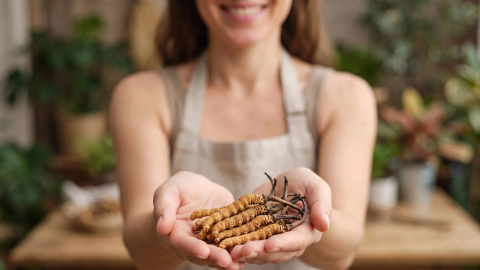
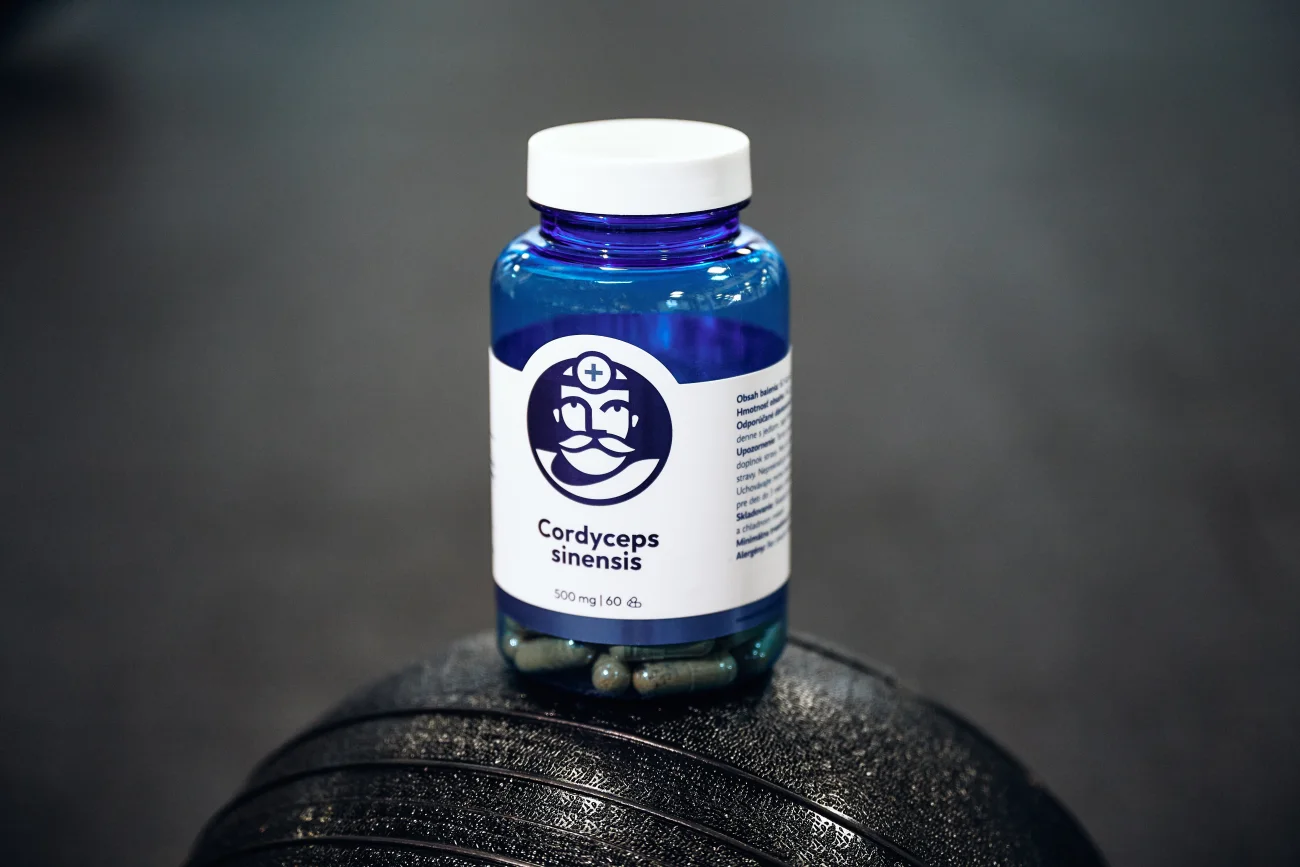
Cordyceps sinensis z neverjetnim življenjskim ciklom
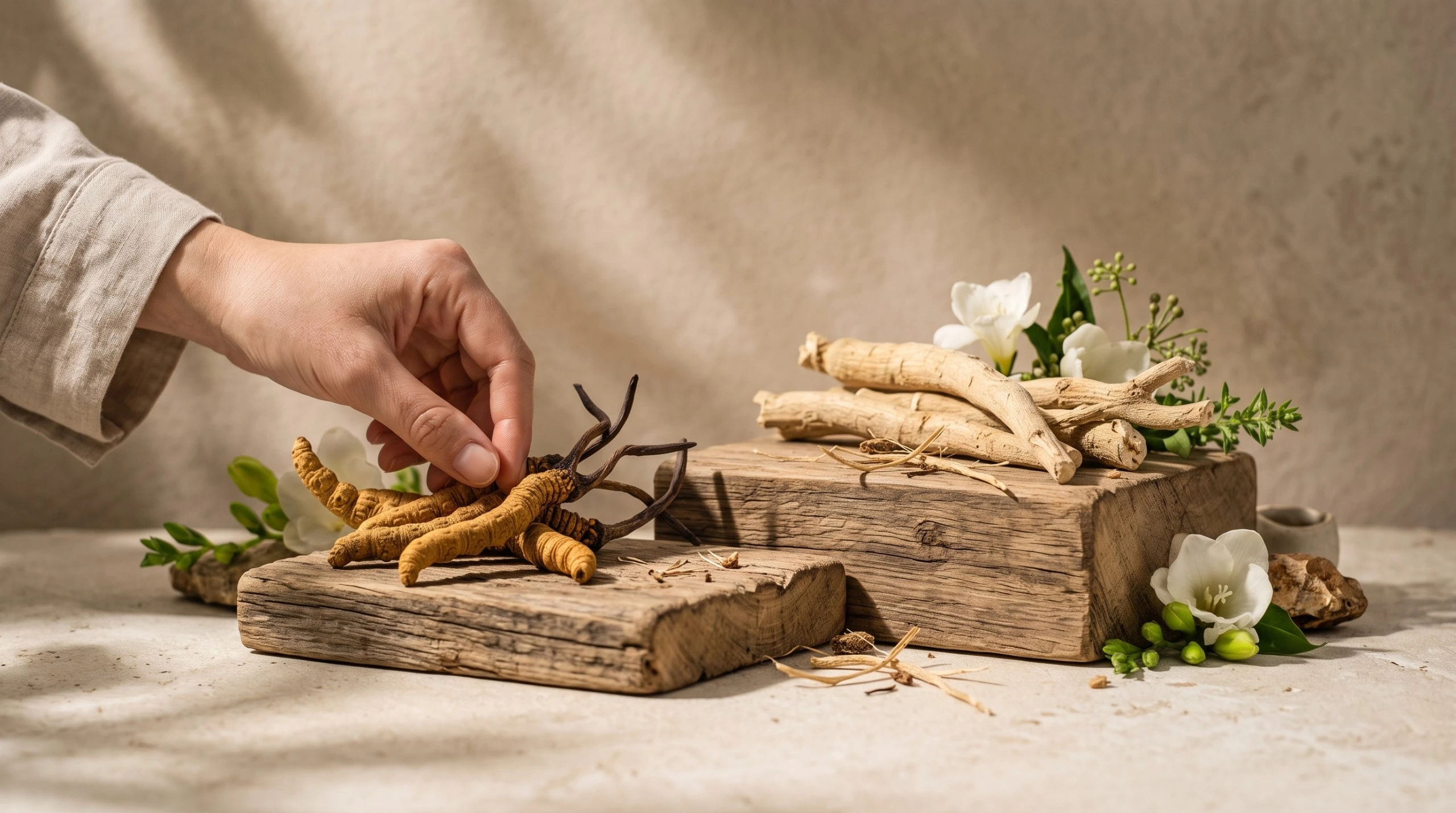
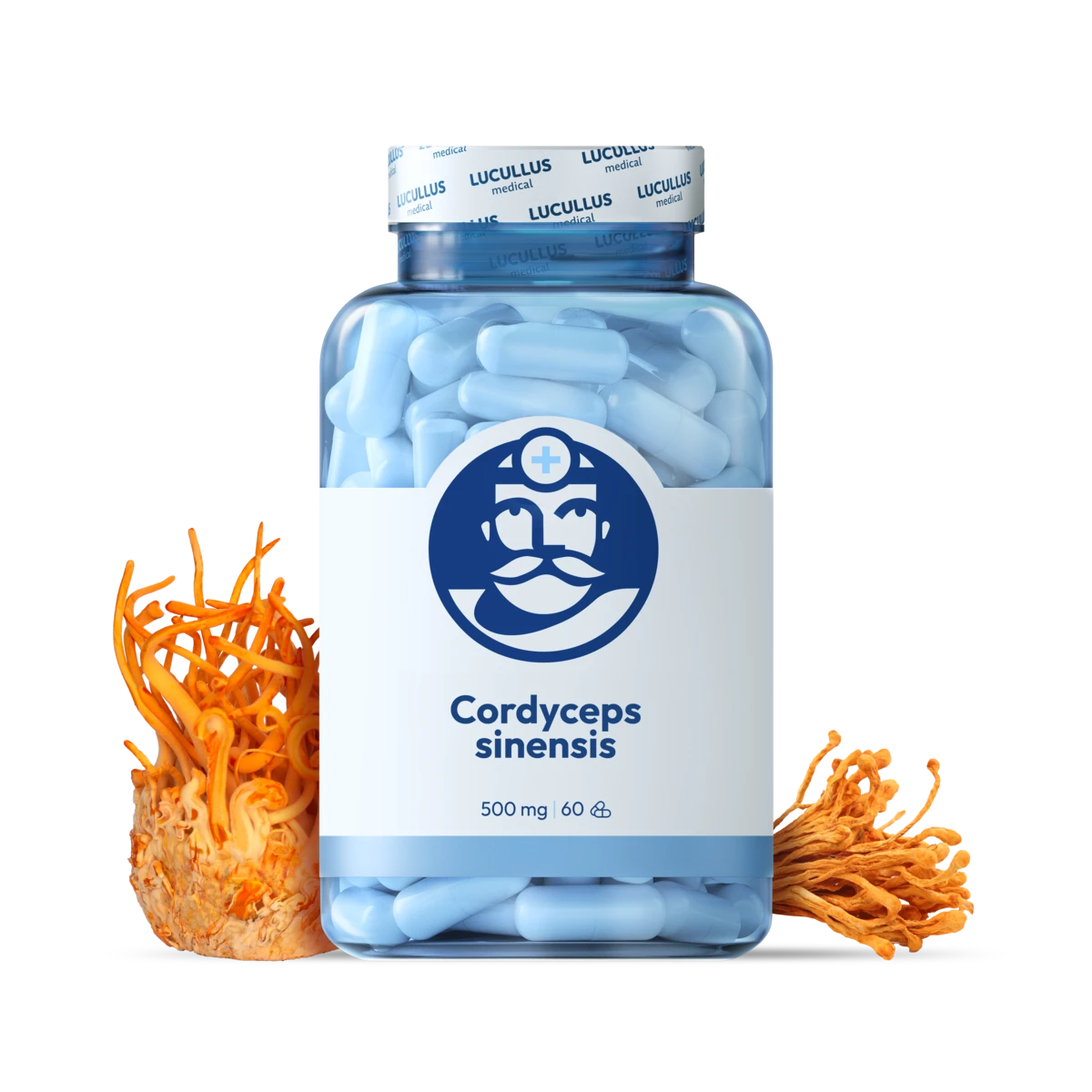
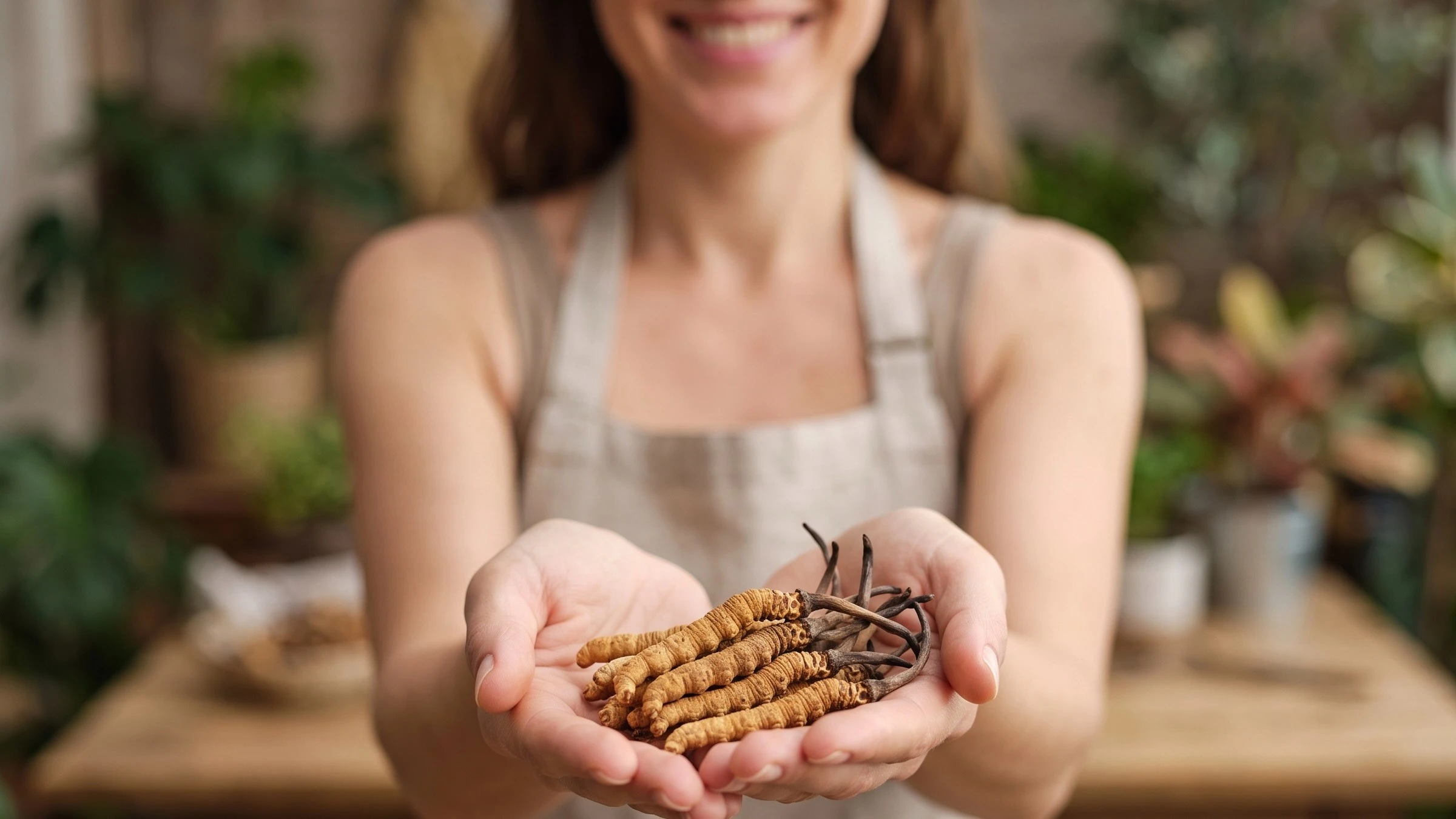
Ali še niste slišali za to fascinantno gobo z nenavadnim videzom in načinom življenja? Imena, kot so „kitajska goba gosenica“, „himalajsko zlato“ ali „goba dolgoživosti“, ne razkrivajo veliko...
 Zdravje
Magnezij – najpomembnejši mineral?
Če vprašate katerokoli športnika (zlasti vzdržljivostne športnike), katero prehransko dopolnilo vedno nosijo s seboj na tekmovanja, bo najpogostejši odgovor „magnezij“. Magnezij je nedvomno eden najpomembnejših mineralov za naše telo. Je tako imenovani »pomanjkljivi« mineral, ker ga izločamo iz telesa med prekomernim naporom, pa tudi takrat, ko ne telovadimo! Že samo življenje v hrupnem, stresnem in zahtevnem okolju je dovolj...
Jabolčni kis je eden najbolj priljubljenih naravnih izdelkov z vrsto koristi za zdravje. Jabolčni kis je že stoletja iskan zaradi svojih učinkov na zdravje, med drugim spodbuja prebavo, uravnava telesno težo, ohranja stabilno raven sladkorja v krvi in izboljšuje zdravje srca in ožilja.
 Imuniteta in vitalnost
Jabolčni kis, ... ne le za manekenke
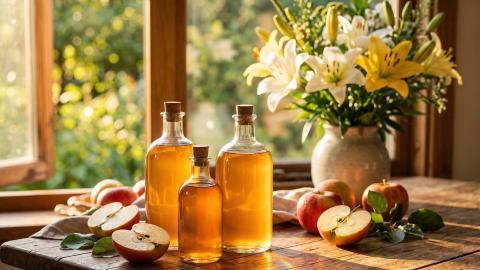
Jabolčni kis je eden najbolj priljubljenih naravnih izdelkov z vrsto koristi za zdravje. Jabolčni kis je že stoletja iskan zaradi svojih učinkov na zdravje, med drugim spodbuja prebavo, uravnava telesno težo, ohranja stabilno raven sladkorja v krvi in izboljšuje zdravje srca in ožilja.
Reishi, goba, ki se uporablja že 4000 let. Božanska goba nesmrtnosti – v preteklosti so verjeli, da lahko oživi celo mrtve. Zlasti pomembno mesto ima v kitajski medicini (pod imenom lingzhi), kjer je bila prvič pisno omenjena 200 let pred Kristusom. Za njeno iskanje je bila dodeljena cela vojska, saj je kitajski cesarski dvor verjel, da se lahko uporabi za pripravo eliksirja nesmrtnosti. Slovensko ime vam verjetno ne pomeni veliko – Leskokôrovka hnedočervená, v resnici pa je to les uničujoča parazitska goba, ki živi predvsem na poškodovanih drevesih. Ima ogromno spektrum bioloških snovi. Njeni učinki so opisani tudi v strokovni enciklopediji Huby ako .
 Imuniteta in vitalnost
Reishi – goba nesmrtnosti
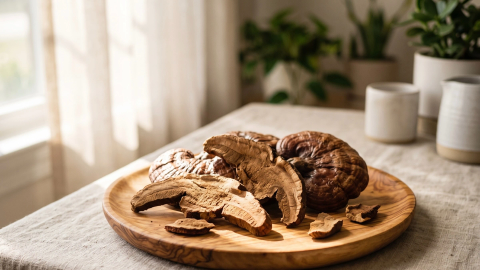
Reishi, goba, ki se uporablja že 4000 let. Božanska goba nesmrtnosti – v preteklosti so verjeli, da lahko oživi celo mrtve. Zlasti pomembno mesto ima v kitajski medicini (pod imenom lingzhi), kjer je bila prvič pisno omenjena 200 let pred Kristusom. Za njeno iskanje je bila dodeljena cela vojska, saj je kitajski cesarski dvor verjel, da se lahko uporabi za pripravo eliksirja nesmrtnosti. Slovensko ime vam verjetno ne pomeni veliko – Leskokôrovka hnedočervená, v resnici pa je to les uničujoča parazitska goba, ki živi predvsem na poškodovanih drevesih. Ima ogromno spektrum bioloških snovi. Njeni učinki so opisani tudi v strokovni enciklopediji Huby ako .
Predstavljajte si, da je vaše telo tovarna, ki deluje s polno zmogljivostjo (za zagotavljanje energije, rast, popravljanje celic), železo pa je gorivo, ki jo poganja. Če se zaloge železa izčrpajo, lahko pride do slabosti, srčnega utripanja ali blede kože. Simptomi pomanjkanja železa vključujejo krhke nohte, suhe lase, zasoplost, težave s spanjem, zmanjšano koncentracijo, hladne okončine, povečano pogostost okužb in anemijo (pomanjkanje rdečih krvnih celic, ki ga povzroča premalo železa v telesu), ki se kaže kot izjemna utrujenost. Pri anemiji telo ne prejema dovolj kisika in se hitro izčrpa. Modrice so lahko tudi znak pomanjkanja železa, saj je ta mineral pomemben za nastajanje hemoglobina, ki podpira pravilno delovanje krvnih ploščic.
 Imuniteta in vitalnost
Železo – skrivnost vašega zdravja in energije
Predstavljajte si, da je vaše telo tovarna, ki deluje s polno zmogljivostjo (za zagotavljanje energije, rast, popravljanje celic), železo pa je gorivo, ki jo poganja. Če se zaloge železa izčrpajo, lahko pride do slabosti, srčnega utripanja ali blede kože. Simptomi pomanjkanja železa vključujejo krhke nohte, suhe lase, zasoplost, težave s spanjem, zmanjšano koncentracijo, hladne okončine, povečano pogostost okužb in anemijo (pomanjkanje rdečih krvnih celic, ki ga povzroča premalo železa v telesu), ki se kaže kot izjemna utrujenost. Pri anemiji telo ne prejema dovolj kisika in se hitro izčrpa. Modrice so lahko tudi znak pomanjkanja železa, saj je ta mineral pomemben za nastajanje hemoglobina, ki podpira pravilno delovanje krvnih ploščic.
Poleg dodatkov, delovanja in različnih dodatkov naše telo potrebuje 100 % in tako imenovane snovi v sledovih. Oznaka "v sledovih" pomeni, da jih naše telo potrebuje le v majhnih količinah. Na dan potrebujemo 10 mg cinka, kar je 37-krat manj v primerjavi z magnezijem (375 mg). Zdi se, da govorimo o popolni neuporabnosti. Vendar pa je resnica ravno nasprotna. Cink vpliva na več kot 200 biokemičnih reakcij v našem telesu!
 Zdravje
Cink – ubijalec utrujenosti
Poleg dodatkov, delovanja in različnih dodatkov naše telo potrebuje 100 % in tako imenovane snovi v sledovih. Oznaka "v sledovih" pomeni, da jih naše telo potrebuje le v majhnih količinah. Na dan potrebujemo 10 mg cinka, kar je 37-krat manj v primerjavi z magnezijem (375 mg). Zdi se, da govorimo o popolni neuporabnosti. Vendar pa je resnica ravno nasprotna. Cink vpliva na več kot 200 biokemičnih reakcij v našem telesu!
Od nekdaj so ljudje iskali čudežna zelišča in gobe, ki spodbujajo zdravje, zdravijo smrtne bolezni in povečujejo moško potencijo. Vsaka kultura ima svoje zagotovljene afrodiziake. V naši državi so še posebej znane ostrige in čokolada. V zadnjem času pa, zlasti z razvojem turizma, postopoma spoznavamo tudi druge stimulante, ki jih ljudje uporabljajo, pogosto na drugi strani planeta. Ena najstarejših snovi za spodbujanje moškosti je perujska maca.
 Imuniteta in vitalnost
Maca – perujski ginseng
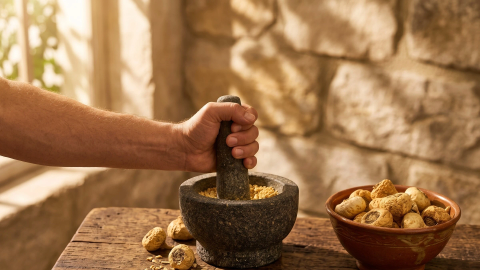
Od nekdaj so ljudje iskali čudežna zelišča in gobe, ki spodbujajo zdravje, zdravijo smrtne bolezni in povečujejo moško potencijo. Vsaka kultura ima svoje zagotovljene afrodiziake. V naši državi so še posebej znane ostrige in čokolada. V zadnjem času pa, zlasti z razvojem turizma, postopoma spoznavamo tudi druge stimulante, ki jih ljudje uporabljajo, pogosto na drugi strani planeta. Ena najstarejših snovi za spodbujanje moškosti je perujska maca.
Če ste aktivni na družbenih omrežjih, ste zagotovo seznanjeni z izrazom mlečni osat. To je fenomen leta 2024, saj oglasi za to »čudežno zelišče« krasijo vse, kamor pogledate. Za razliko od drugih prehranskih dopolnil nihče ne dvomi o učinkih te rastline. Mnenja se razlikujejo le glede posameznih izdelkov in načinov predelave. Kaj je tako čudežnega v tej rastlini?
 Zdravje
Marianski osat in jetra
Če ste aktivni na družbenih omrežjih, ste zagotovo seznanjeni z izrazom mlečni osat. To je fenomen leta 2024, saj oglasi za to »čudežno zelišče« krasijo vse, kamor pogledate. Za razliko od drugih prehranskih dopolnil nihče ne dvomi o učinkih te rastline. Mnenja se razlikujejo le glede posameznih izdelkov in načinov predelave. Kaj je tako čudežnega v tej rastlini?
Zagotovo poznate občutek, ko se počutite ogrožene. Izza ograje je na vas stekel velik pes, na sestanku je v vas zapeljal šef in vas odnesel pod zemljo ali pa je jutri treba odplačati hipoteko in pravkar so vas odpustili iz službe. V takih primerih telo proizvaja steroidni hormon - kortizol. Ta nas v nevarnih situacijah že ščiti in telo pripravi na položaj "boj ali beg". Srce začne črpati, kri steče v vitalne organe, raven bolečine se zmanjša... Pravite si - najbolj koristna stvar pod soncem!
 Zdravje
Ashwagandha – zaviralec kortizola
Zagotovo poznate občutek, ko se počutite ogrožene. Izza ograje je na vas stekel velik pes, na sestanku je v vas zapeljal šef in vas odnesel pod zemljo ali pa je jutri treba odplačati hipoteko in pravkar so vas odpustili iz službe. V takih primerih telo proizvaja steroidni hormon - kortizol. Ta nas v nevarnih situacijah že ščiti in telo pripravi na položaj "boj ali beg". Srce začne črpati, kri steče v vitalne organe, raven bolečine se zmanjša... Pravite si - najbolj koristna stvar pod soncem!
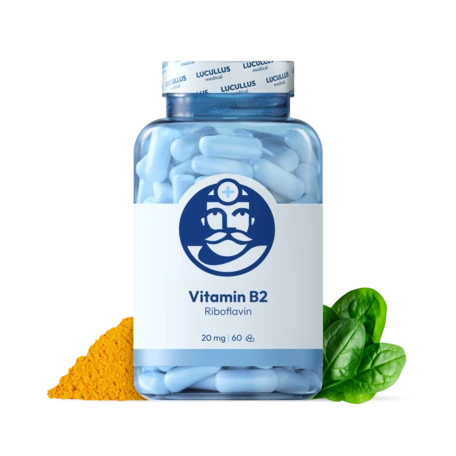
Poleg dobro znane mešanice vitaminov B-Kompleks lahko posamezne vitamine kupite tudi v obliki soli. Za kaj je dobra? Znani sklop vitaminov B je dobro prehransko dopolnilo, imate splošno pomanjkanje vitaminov v telesu. Če pa ne obravnavate posebne težave, je včasih primernejša posebna vrsta vitamina, ki jo morate dopolniti. Zakaj je torej potreben vitamin B2?
 Energija
Vitamin B2 riboflavin
Poleg dobro znane mešanice vitaminov B-Kompleks lahko posamezne vitamine kupite tudi v obliki soli. Za kaj je dobra? Znani sklop vitaminov B je dobro prehransko dopolnilo, imate splošno pomanjkanje vitaminov v telesu. Če pa ne obravnavate posebne težave, je včasih primernejša posebna vrsta vitamina, ki jo morate dopolniti. Zakaj je torej potreben vitamin B2?
Vitamin B1 spada v skupino vitaminov B1 do B12, ki jih skupaj imenujemo B-kompleks. Vsi vitamini iz te skupine naj bi se dopolnjevali pod tem imenom. Ali pa potrebujem samo enega od njih? Potrebujete celotno skupino – najpomembnejše vitamine iz skupine B lahko dobite ločeno.
 Energija
Vitamin B1 – tiamin
Vitamin B1 spada v skupino vitaminov B1 do B12, ki jih skupaj imenujemo B-kompleks. Vsi vitamini iz te skupine naj bi se dopolnjevali pod tem imenom. Ali pa potrebujem samo enega od njih? Potrebujete celotno skupino – najpomembnejše vitamine iz skupine B lahko dobite ločeno.
V nekem starem filmu je prizor, v katerem babica ali dedek vsak dan zjutraj prisili otroka, da spije žlico ribjega olja. Otroci ga sovražijo, saj je gnusnega okusa. "Ampak vi boste zdravi!" je stavek skrbnih starih staršev. Od kod to izvira? To velja še danes, le da je znanosti uspelo čudežno ribje olje spremeniti v "navadne" tablete ali izvlečke brez normalnega okusa.
 Zdravje
Omega-3 ščiti vaš kardiovaskularni sistem
V nekem starem filmu je prizor, v katerem babica ali dedek vsak dan zjutraj prisili otroka, da spije žlico ribjega olja. Otroci ga sovražijo, saj je gnusnega okusa. "Ampak vi boste zdravi!" je stavek skrbnih starih staršev. Od kod to izvira? To velja še danes, le da je znanosti uspelo čudežno ribje olje spremeniti v "navadne" tablete ali izvlečke brez normalnega okusa.
Zjutraj zazvoni budilka. Prva misel ni usmerjena v nov dan, ampak v aparat za espresso. Ob dveh popoldne se pojavi znana duševna utrujenost, zato sledi druga, morda tretja skodelica. A namesto vala sveže ustvarjalnosti in budnosti se pojavita le razbijanje srca, rahlo drgetanje prstov in čudna kombinacija, ko je telo napeto, možgani pa ostajajo v gosti megli.
 Energija
Kaj storiti, če vam zmanjkuje energije in kava ne pomaga več?
Zjutraj zazvoni budilka. Prva misel ni usmerjena v nov dan, ampak v aparat za espresso. Ob dveh popoldne se pojavi znana duševna utrujenost, zato sledi druga, morda tretja skodelica. A namesto vala sveže ustvarjalnosti in budnosti se pojavita le razbijanje srca, rahlo drgetanje prstov in čudna kombinacija, ko je telo napeto, možgani pa ostajajo v gosti megli.
Ko govorimo o negi telesa, se večini od nas samodejno spomnimo na magnezij, vitamin C, cink ali kolagen. Vendar obstaja en ključni element, ki predstavlja približno 0,25 % naše celotne telesne teže, a ga v običajnih pogovorih o zdravju pogosto pozabljamo: organska žvepla.
 Zdravje
Pozabljeni mineral lepote in gibanja. Zakaj ga telo potrebuje več, kot mislimo?
Ko govorimo o negi telesa, se večini od nas samodejno spomnimo na magnezij, vitamin C, cink ali kolagen. Vendar obstaja en ključni element, ki predstavlja približno 0,25 % naše celotne telesne teže, a ga v običajnih pogovorih o zdravju pogosto pozabljamo: organska žvepla.
Poznate ta občutek? Zjutraj stopite iz hiše, vas sprejme gosta megla, hladen veter vam neprijetno »vdirne« pod plašč, v tramvaju ali pisarni pa že z vseh strani slišite prve kašlje. Jesen in zima imata svoj nesporen čar – topli puloverji, večeri pod odejo in prasketajoči ogenj. A za naše telo je to obdobje prave preizkušnje.
 Imuniteta in vitalnost
Kako pripraviti telo na hladno vreme: 5 dnevnih navad za močan imunski sistem
Poznate ta občutek? Zjutraj stopite iz hiše, vas sprejme gosta megla, hladen veter vam neprijetno »vdirne« pod plašč, v tramvaju ali pisarni pa že z vseh strani slišite prve kašlje. Jesen in zima imata svoj nesporen čar – topli puloverji, večeri pod odejo in prasketajoči ogenj. A za naše telo je to obdobje prave preizkušnje.
Si prizadevate vestno popiti priporočene dva do tri litre vode na dan, a se kljub temu popoldne počutite utrujeni, vaše telo je otrplo, koža pa izgleda bleda in brez življenja?
 Imuniteta in vitalnost
Skrivnost celične hidracije in jutranjega ponovnega zagona telesa
Si prizadevate vestno popiti priporočene dva do tri litre vode na dan, a se kljub temu popoldne počutite utrujeni, vaše telo je otrplo, koža pa izgleda bleda in brez življenja?
Morda vam je to znano: kljub kakovostni vlažilni kremi je koža ob koncu dneva napeta, utrujena, drobne gubice okoli oči ali ust pa so nekako bolj izrazite. Pogosto se zatekamo k dodatnim serumom, vendar je stanje kože predvsem odraz procesov, ki potekajo globoko pod njenim površjem.
 Lepota in koža
Kako kolagen pomaga v boju proti gubam in izsušenosti kože
Morda vam je to znano: kljub kakovostni vlažilni kremi je koža ob koncu dneva napeta, utrujena, drobne gubice okoli oči ali ust pa so nekako bolj izrazite. Pogosto se zatekamo k dodatnim serumom, vendar je stanje kože predvsem odraz procesov, ki potekajo globoko pod njenim površjem.
Ali poznate tisti občutek, ko se ne počutite v svoji koži, a ne morete natančno pojasniti, zakaj? Zjutraj se zbudite brez energije, najljubši kavbojki so vam nenadoma tesne in že najmanjša malenkost vas lahko spravi v bes. Pogosto te stanje pripisujemo preobremenjenosti, slabemu vremenu, starosti ali običajni utrujenosti.
 Harmonija
Hormonsko neravnovesje: 7 neopaznih znakov, da vaše telo potrebuje podporo
Ali poznate tisti občutek, ko se ne počutite v svoji koži, a ne morete natančno pojasniti, zakaj? Zjutraj se zbudite brez energije, najljubši kavbojki so vam nenadoma tesne in že najmanjša malenkost vas lahko spravi v bes. Pogosto te stanje pripisujemo preobremenjenosti, slabemu vremenu, starosti ali običajni utrujenosti.
Poznate tisti občutek okoli druge ali tretje ure popoldne. Dopolnjujete preglednico, odgovarjate na še en e-poštni sporočil ali brskate po družbenih omrežjih, ko vas nenadoma začnejo pekti oči. Mežikate hitreje, besedilo na zaslonu se rahlo zamegli in imate občutek, kot da bi vam nekdo pod veke nasul drobni pesek.
 Zdravje
Zakaj so prav omega-3 maščobne kisline tiste, ki pomagajo utrujenim očem zaradi gledanja zaslona?
Poznate tisti občutek okoli druge ali tretje ure popoldne. Dopolnjujete preglednico, odgovarjate na še en e-poštni sporočil ali brskate po družbenih omrežjih, ko vas nenadoma začnejo pekti oči. Mežikate hitreje, besedilo na zaslonu se rahlo zamegli in imate občutek, kot da bi vam nekdo pod veke nasul drobni pesek.
Morda ste to opazili tudi v lekarni ali v spletni trgovini: klasični vitamin C za nekaj evrov, takoj zraven pa isti vitamin z oznako »lipozomski« za trikratno do štirikratno ceno.
 Zdravje
Ali se splača doplačati za liposomske vitamine?
Morda ste to opazili tudi v lekarni ali v spletni trgovini: klasični vitamin C za nekaj evrov, takoj zraven pa isti vitamin z oznako »lipozomski« za trikratno do štirikratno ceno.
Ta prizor je znan skoraj vsakomur: polna krtača že po enem samem česanju, kupi las v odtoku tuša in neprijeten občutek v želodcu, ko si pred ogledalom urejaš pričesko.
 Lepota in koža
Zakaj vam prekomerno izpadajo lasje? 5 neopaznih znakov telesa, da vam primanjkuje ključnih mikrohranil
Ta prizor je znan skoraj vsakomur: polna krtača že po enem samem česanju, kupi las v odtoku tuša in neprijeten občutek v želodcu, ko si pred ogledalom urejaš pričesko.
V prizadevanju, da bi naredili čim več za svoje zdravje, pogosto posegamo po najrazličnejših kombinacijah kapsul in vitaminov. Čeprav je namen dober, naše telo ne deluje kot posoda, v katero lahko kadarkoli nasipamo kar koli. Mnogi vitamini uporabljajo iste poti absorpcije, se vežejo na iste receptorje ali neposredno spreminjajo presnovo drugih.
 Zdravje
Neustrezne kombinacije prehranskih dopolnil: teh snovi nikoli ne jemljite hkrati
V prizadevanju, da bi naredili čim več za svoje zdravje, pogosto posegamo po najrazličnejših kombinacijah kapsul in vitaminov. Čeprav je namen dober, naše telo ne deluje kot posoda, v katero lahko kadarkoli nasipamo kar koli. Mnogi vitamini uporabljajo iste poti absorpcije, se vežejo na iste receptorje ali neposredno spreminjajo presnovo drugih.
Takoj ko temperatura pade proti ničli in se v pisarni ali avtobusu oglasi prvi kašelj, se v mnogih gospodinjstvih začne enak ritual: kozarec vode s šumečim »C-jem« in naključni odmerek kapljic vitamina D. Navadili smo se jih obravnavati kot gasilni aparat – nekaj, kar v paniki potegnemo iz omarice, ko že čutimo draženje v grlu. Znanost in biologija človeškega telesa pa delujeta drugače kot trženje farmacevtskih podjetij. Pri obeh vitaminih namreč pogosto plačujemo za lažen občutek varnosti.
 Zdravje
Miti in dejstva o vitaminih C in D: Kdaj resnično krepita imunski sistem in kdaj učinek izostane?
Takoj ko temperatura pade proti ničli in se v pisarni ali avtobusu oglasi prvi kašelj, se v mnogih gospodinjstvih začne enak ritual: kozarec vode s šumečim »C-jem« in naključni odmerek kapljic vitamina D. Navadili smo se jih obravnavati kot gasilni aparat – nekaj, kar v paniki potegnemo iz omarice, ko že čutimo draženje v grlu. Znanost in biologija človeškega telesa pa delujeta drugače kot trženje farmacevtskih podjetij. Pri obeh vitaminih namreč pogosto plačujemo za lažen občutek varnosti.
Zamašen nos, nepojasnjeno kihanje, rdeče madeže na koži ali krči v trebuhu po na videz neškodljivem kosilu. Če vam so ti simptomi dobro znani, ste verjetno že naleteli na pojma sezonska alergija ali intoleranca na histamin (HIT).
 Imuniteta in vitalnost
Vas moti histamin? Te naravne snovi pomirjajo telo
Zamašen nos, nepojasnjeno kihanje, rdeče madeže na koži ali krči v trebuhu po na videz neškodljivem kosilu. Če vam so ti simptomi dobro znani, ste verjetno že naleteli na pojma sezonska alergija ali intoleranca na histamin (HIT).















 Maloprodaja